Breathe Better: In what way Thorough Carpet Cleaning Improves Air Purity
Regarding ensuring a healthy home environment, the significance of air quality is paramount. One frequently ignored factor that significantly impacts the air we breathe is the condition of our carpets. Routine activities, such as walking, shedding skin cells, and including pet hair, lead to the accumulation of dirt, allergens, and toxins in our rugs. This accumulation can lead to deteriorated indoor air quality, resulting in allergies and respiratory issues. To tackle this issue, many residents are opting for deep carpet cleaning as an critical step in enhancing the air standards in their homes.
Deep flooring decontamination goes beyond cosmetic cleaning to remove dirt, allergens, and germs lodged far within the fibers of rugs. Trained carpet cleaning services use cutting-edge procedures and powerful equipment to remove these hazardous substances, leaving behind a fresh carpet that not only looks new but also helps create healthier environment. By investing in deep maintenance, you can breathe easier knowing that your space is devoid of the hidden pollutants that can compromise your well-being.
The Importance of Clean Carpets
Spotless carpets play a crucial role in maintaining a clean indoor environment. Over time, carpets can collect dust, allergens, and pollutants that compromise air quality. These particles can lead to breathing problems, allergies, and other health problems, making the care of carpets crucial for a healthier living space. By putting effort in routine carpet cleaning, you can greatly reduce these unhealthy substances, encouraging superior air quality for you and your family.
Moreover, the look of a clean carpet cannot be ignored. A fresh and well-kept carpet enhances the total appearance of your home, creating a inviting atmosphere. Visitors will appreciate the cleanliness, and you will experience more at ease in your space. Beyond looks, a clean carpet contributes to the longevity of the flooring, stopping wear and tear that can result from dirt and grime buildup.
In conclusion, clean carpets can beneficially impact your emotional well-being. A tidy home environment can reduce stress, create a sense of order, and enhance your mood. Knowing that your carpets are spotless can provide comfort, allowing you to focus on more critical aspects of your life. In essence, prioritizing the cleanliness of carpets favorably impacts both your physical health and psychological state, making deep carpet cleaning a crucial practice for any household.
How Intensive Cleaning Improves Indoor Air Quality
Intensive cleaning rug fibers greatly diminishes the collection of particles, allergens, and contaminants that are frequently held in carpet fibers. Routine vacuuming might take away surface dirt, however it cannot remove the accumulation of microscopic particles that can influence the quality of air indoors. A complete cleaning utilizes specialized equipment and cleaning agents that gather these pollutants, fostering a cleaner living environment.
In addition to particles and pollutants, intensive carpet cleaning can also address microbes and mold. These organisms thrive in the damp environment that filthy carpets may produce, causing potential health problems. By utilizing techniques like deep extraction, intensive cleaning can eliminate noxious germs and hinder fungal growth, resulting in a better atmosphere for the entire household in the home.
The better air quality obtained through deep carpet cleaning will additionally support better breathing health. Those with asthma or respiratory conditions could discover relief when their carpets are maintained, as reducing the concentration of irritants in the indoor space can alleviate symptoms. Maintaining carpets in good condition not only enhances the look of the home but also creates a safer living space for all resident.
Selecting the Right Carpet Cleaning Method
In terms of maintaining a clean carpet, selecting the best carpet cleaning technique is essential for both the lifespan of the carpet and the overall air quality in your home. Various cleaning techniques are at your disposal, each with its individual advantages. Dry cleaning are a few of the most widely used methods. Consider your carpet material and the particular stains or allergens you need to tackle when making your choice.
This cleaning method is famous for its effectiveness in deep cleaning, making it effective in removing dirt, allergens, and persistent stains. This method uses high-temperature water and cleaning solutions to disintegrate dirt and then removes the debris with a high-powered vacuum. It is particularly beneficial for carpets with high foot traffic and for those prone to allergens. However, it demands a drying period, so be sure to plan if you opt for this technique.
Alternatively, dry cleaning utilizes less moisture and is a faster alternative for maintaining a clean carpet. It makes use of special cleaning compounds that capture dirt and grime, which are then removed by vacuuming. This method is perfect for those who need their carpets prepared for immediate use almost immediately. Ultimately, your choice should match your lifestyle, carpet material, and distinct cleaning needs to ensure the optimal results for your home environment.
Advantages of Routine Carpet Care
Consistent carpet maintenance is crucial for protecting not only the look of your carpets but also the overall indoor air quality in your home. Accumulated dust, allergens, and pollutants can turn embedded in carpet fibers, leading to a range of health problems. By adopting routine cleaning practices, you greatly minimize the presence of these harmful particles, creating a safer environment for you and your family.
In addition to improving air quality, consistent carpet cleaning aids prolong the lifespan of your carpets. Regularly removing dirt and stains stops them from breaking down the carpet fibers, which can lead to unwanted wear and tear. Establishing a consistent cleaning schedule can save you costs in the long run, as clean carpets will require replacing less often.
Moreover, clean carpets contribute to a more enjoyable living space. The cleanliness of a well-maintained carpet can improve the appearance of your home, making it more inviting. A clean carpet can also neutralize unpleasant odors that may persist due to trapped dirt and moisture. Thus, regular carpet maintenance is not only helpful for health but also for promoting a comfortable atmosphere in your home.
DIY vs. Professional Rug Cleaning
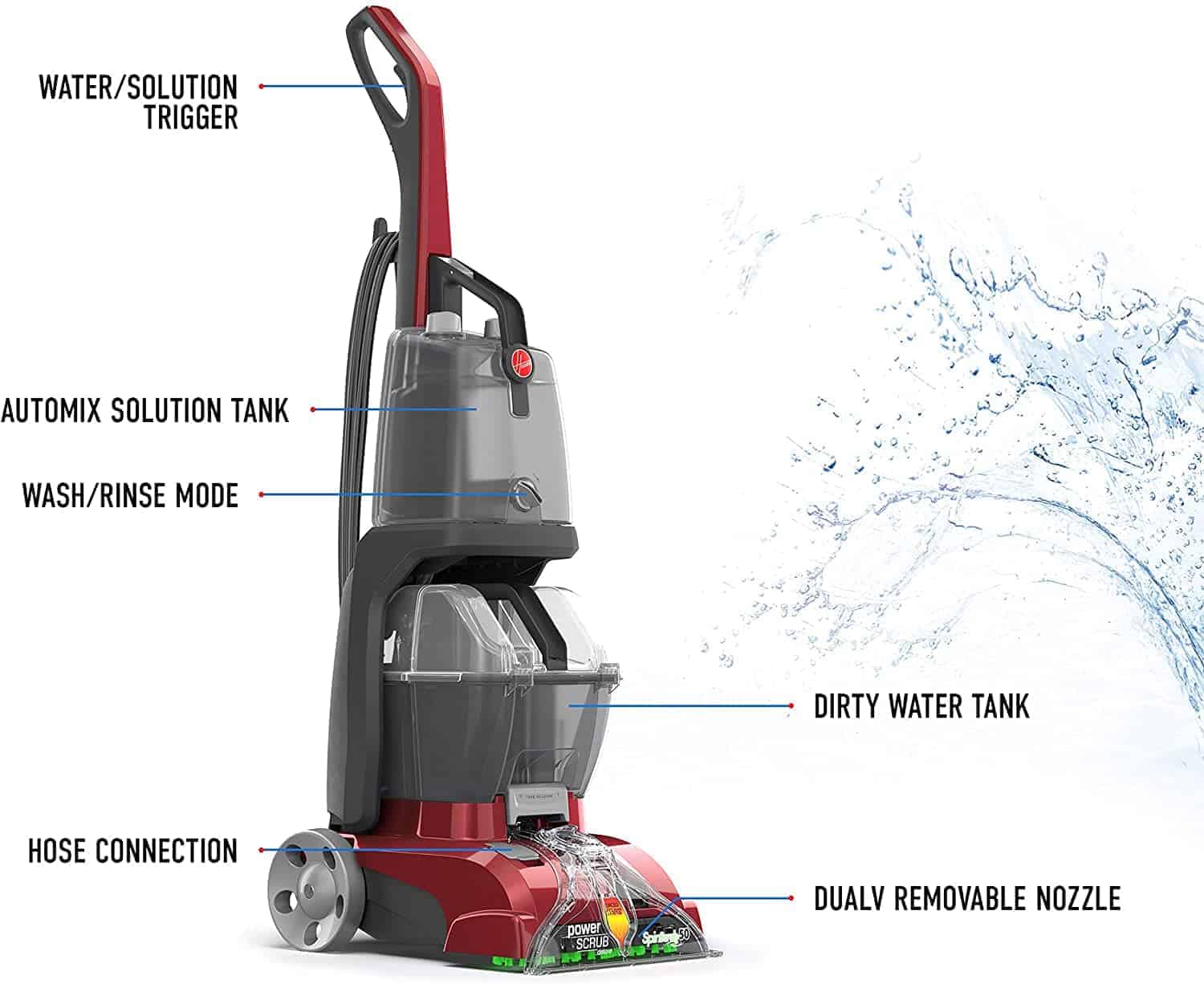
When it comes to cleaning carpets, many homeowners confront the dilemma of deciding if they should handle the job on their own or hire a professional. Self-service carpet cleaning is often attractive because of the potential cost reduction in expenses and ease of using readily available cleaning supplies and machines. For smaller stains and regular upkeep, a home carpet cleaner can provide satisfactory results and assist maintain your rugs looking presentable. However, the effectiveness of self-cleaning techniques is frequently inadequate when it comes to deep cleaning, which is essential for enhancing air quality and removing allergens.
On the other hand, professional carpet cleaner s bring expertise, sophisticated equipment, and tailored cleaning solutions to the table. They are skilled to deal with different kinds of carpets and know how to efficiently eliminate deep-seated dirt, pet dander, and various allergens that may not be eliminated via self-cleaning methods. Their high-powered machines and methods, such as steam cleaning, can significantly enhance the cleanliness of your carpets and contribute to a more health-conscious indoor space.
In the end, the choice between do-it-yourself and expert rug cleaning should hinge on the level of soiling, your financial constraints, and your considerations for maintaining air quality in your home. For regular maintenance and minor stains, DIY methods may suffice. On the flip side, for a thorough cleaning that significantly enhances air quality and longevity of your rugs, seeking expert services is usually the ideal choice.